
Clergy sexual abuse involves a profound misuse of spiritual authority and trust. Survivors may have been harmed by a priest, pastor, deacon, minister, youth leader, church employee, volunteer, or another person given access and credibility through a religious organization.
A confidential consultation can begin with questions. Survivors decide what they are comfortable sharing and whether they wish to take another step.
Why the organization may be part of the case
A civil investigation may examine whether a church, diocese, denomination, school, ministry, or affiliated organization received earlier complaints, transferred an accused person, failed to restrict access to children, discouraged reporting, or concealed misconduct.
Potential claims depend on the law of the relevant state and the evidence. The focus may include negligent hiring, retention or supervision; failures to warn or protect; misrepresentation; concealment; and other theories recognized in that jurisdiction.
Matters may involve
- Priests, pastors, ministers, deacons, and religious educators
- Youth pastors, music leaders, coaches, employees, and volunteers
- Churches, dioceses, denominations, ministries, schools, and camps
- Abuse facilitated through counseling, confession, travel, retreats, or youth activities
Institutional records can be critical
Assignment histories, internal correspondence, complaint files, personnel records, meeting minutes, insurance notices, and communications with families or law enforcement may reveal what leaders knew and how they responded.
These cases require sensitivity to the survivor’s faith, family relationships, and community ties. Seeking accountability does not require a survivor to abandon religious belief or accept anyone else’s characterization of what happened.
Older abuse may still warrant evaluation
Many survivors disclose clergy abuse only after years or decades. Filing rules vary widely, and some states provide special limitations periods or revival windows. A prompt, state-specific legal review is the safest way to determine whether options remain.
A private first step
You do not have to determine the legal path alone.
Thomas and the Nessler & Associates team evaluate childhood sexual-abuse matters nationwide and work with local counsel when appropriate.
Request a confidential consultation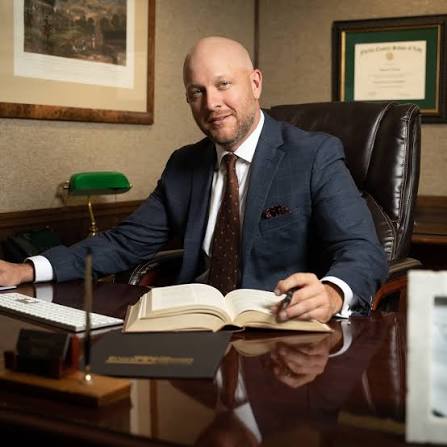
About the author
Thomas J. Nessler
Thomas is a partner at Nessler & Associates and represents survivors of childhood sexual abuse across the country. His approach emphasizes careful preparation, clear communication, and respect for each survivor’s decisions.
Learn more about Thomas