Parents entrust schools and youth programs with extraordinary access to children. When an employee, volunteer, contractor, or other adult exploits that trust, the legal inquiry may extend beyond the individual offender to the organization responsible for safety.
A confidential consultation can begin with questions. Survivors decide what they are comfortable sharing and whether they wish to take another step.
The institution’s conduct matters
A civil case may examine what administrators knew or should have known, how complaints were handled, whether boundaries were enforced, and whether reasonable screening, supervision, and reporting procedures were followed.
Institutional responsibility is fact-specific. The mere fact that abuse occurred does not automatically establish liability, but records and testimony may show ignored warnings, inadequate supervision, negligent retention, or a failure to act after concerning conduct was reported.
Matters may involve
- Schools, academies, tutoring centers, and after-school programs
- Youth clubs, mentoring programs, and community organizations
- Employees, volunteers, contractors, and visiting personnel
- Abuse occurring on campus, during travel, online, or through program-related access
Evidence may exist outside the survivor’s memory
Personnel files, prior complaints, emails, text messages, schedules, access logs, security footage, training materials, and communications with parents may help establish how access was created and whether warning signs were missed.
A trauma-informed investigation should not place the entire burden of proof on the survivor’s recollection. Experienced counsel looks for corroborating evidence and patterns while allowing the survivor to control the pace of deeply personal conversations.
The first step can be private and limited
A survivor or family may begin by asking what law applies, whether a deadline may remain open, and what a confidential evaluation would involve. No one should assume a claim is unavailable simply because the abuse happened years ago; state laws differ and continue to change.
A private first step
You do not have to determine the legal path alone.
Thomas and the Nessler & Associates team evaluate childhood sexual-abuse matters nationwide and work with local counsel when appropriate.
Request a confidential consultation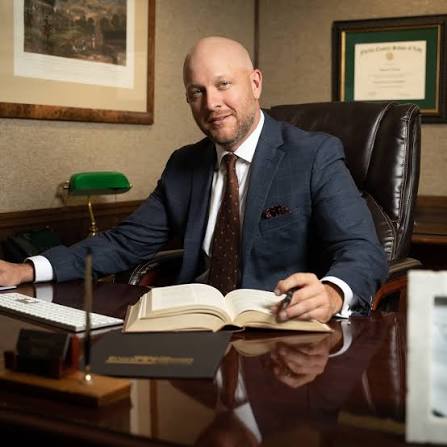
About the author
Thomas J. Nessler
Thomas is a partner at Nessler & Associates and represents survivors of childhood sexual abuse across the country. His approach emphasizes careful preparation, clear communication, and respect for each survivor’s decisions.
Learn more about Thomas