A Florida auto claim can involve the at-fault driver, a vehicle owner, an employer, multiple liability policies, personal injury protection, medical-payment coverage, and uninsured or underinsured motorist benefits. A careful investigation should identify every potentially responsible party and every applicable policy before the evidence and reporting records become harder to obtain.
The goal of early investigation is to preserve an accurate record before vehicles are repaired, video is overwritten, app information changes, witnesses become difficult to locate, or insurance positions harden.
Document the scene without placing yourself in danger
If conditions permit, photograph vehicle positions, damage, skid marks, debris, traffic controls, lighting, weather, construction, and surrounding businesses or homes that may have cameras.
Exchange information and identify witnesses. Do not argue about fault or guess about speed, distance, or injuries.
Preserve the vehicle and electronic evidence
A serious collision may justify preserving the vehicles before destructive repair or disposal. Event data, infotainment systems, dash cameras, commercial telematics, and phone records can help reconstruct the event.
Send targeted preservation correspondence to the parties likely to control that evidence and identify nearby public or private video promptly.
Report the claim accurately and identify every policy
Notify the appropriate insurers, but distinguish required cooperation with your own carrier from a request by an adverse insurer. Keep copies of claim numbers, adjuster information, correspondence, and policy documents.
Ask whether PIP, medical payments, liability, UM/UIM, umbrella, commercial, rental, or rideshare coverage may apply.
Build a reliable medical and damages record
Seek appropriate care, give an accurate history, follow reasonable recommendations, and explain any treatment gaps. Preserve bills, wage records, receipts, photographs, and a concise account of functional limitations.
Tell counsel about prior similar injuries so the medical causation issues can be evaluated honestly and early.
Evidence checklist
- Crash report, body-camera footage, 911 audio, and citations
- Scene, vehicle, roadway, debris, and injury photographs
- Witness identities and contemporaneous statements
- Vehicle event data, dash cameras, and nearby surveillance
- Cellphone, employment, delivery, ownership, and maintenance records
- Medical records, wage loss, expenses, and insurance documents
Coverage should be investigated—not assumed
Florida’s transportation-network-company law, UM/UIM law, and PIP law may each matter depending on the claim. Obtain the actual policies and forms rather than relying on a general coverage summary.
Related claim guide
Florida Auto Accident Claims
Read the complete liability, insurance, evidence, and frequently asked questions page for this claim type.
View the claim guide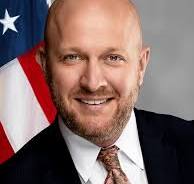
About the author
Thomas J. Nessler
Thomas is a partner at Nessler & Associates and represents clients in serious motor-vehicle, rideshare, UM/UIM, and personal-injury matters.